For many Lynnwood patients dealing with ongoing joint pain, tendon issues, or inflammation, the real question isn’t simply how to reduce discomfort. It’s what step to take next.
Some people are told they may eventually need surgery, while others wonder whether regenerative medicine could help them avoid invasive procedures altogether.
Because every injury and condition is different, choosing between surgical treatment and a regenerative approach isn’t always straightforward. Rather than thinking in terms of “either/or,” most patients benefit from understanding when each method makes sense and what questions to ask before making a decision.
This guide will walk you through the key decision points so you can feel confident about your next step.
What Surgery Does Best
While no one wants surgery unless it’s necessary, surgical intervention still plays an important role in musculoskeletal care. In general, surgery is appropriate when:
- The structure has completely ruptured (such as a full ACL tear)
- Bones are displaced or fractured
- A joint is severely worn or unstable
- Normal function cannot be returned without mechanical repair
Surgery is designed to repair or replace damaged structures physically. In other words, if something is torn apart or structurally unsound, regenerative methods alone won’t recreate stability.
For example:
- A meniscus that is fully detached probably won’t heal without a surgeon reattaching it.
- A bone fracture that is displaced may need surgical fixation.
- Severe deformity or end-stage osteoarthritis may require joint replacement.
If stability or function cannot be restored otherwise, surgery becomes the priority.
What Regenerative Medicine Does Best
Regenerative medicine aims to help the body repair tissue, reduce inflammation, and improve function naturally. These therapies are especially useful for:
- Partial ligament tears
- Early or moderate arthritis
- Chronic inflammation
- Wear-and-tear injuries
- Tendonitis and bursitis
- Soft-tissue injuries in active adults
Rather than replacing a damaged part, regenerative medicine helps strengthen the biological environment so tissue can heal and regenerate over time.
This makes regenerative medicine particularly effective early in the degenerative process, before damage becomes severe enough to require surgical intervention.
Surgery and Regenerative Care Serve Different Purposes, and Timing Matters
For many Lynnwood patients, the decision isn’t as simple as choosing surgery or regenerative care. Most people fall somewhere in between. They’re experiencing real pain or functional limitation, but they haven’t reached the point where surgery is clearly unavoidable.
This is often where regenerative medicine provides its greatest value.
A helpful way to think about the difference is this:
- Surgery repairs or replaces tissue that is no longer structurally functional.
- Regenerative medicine supports and strengthens tissue that still has the capacity to heal.
When joints, tendons, or ligaments are damaged but not completely destroyed, regenerative therapies can help reduce inflammation, improve tissue quality, and restore function; often delaying or eliminating the need for surgery altogether.
A Real-World Decision Many Lynnwood Patients Face
Consider a common scenario. A Lynnwood runner develops persistent knee pain. Imaging shows moderate arthritis, but the joint still retains healthy cartilage and stability. A surgeon may explain that a knee replacement could be needed someday, which may be true but that doesn’t mean surgery is the right next step.
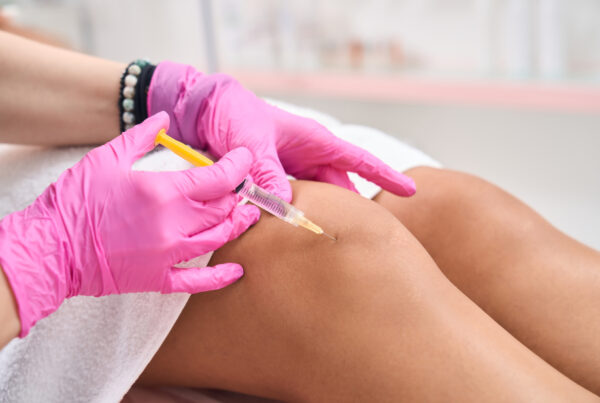
In cases like this, regenerative treatments such as PRP or ozone injection therapy may help by:
- Reducing joint inflammation
- Stimulating the body’s natural repair response
- Supporting cartilage and soft-tissue health
- Improving mobility and daily comfort
- Slowing progression of degeneration
- Delaying, or in some cases avoiding, surgical intervention
The best decision isn’t based on imaging alone. It depends on symptoms, activity level, goals, lifestyle, and how much healing potential still exists within the tissue.
When Regenerative Medicine is Often the Right First Step
Many patients benefit from trying regenerative therapy before surgery when:
- Pain is chronic but not severe or disabling
- Imaging shows partial injury rather than complete rupture
- Joint structure remains stable
- Arthritis is mild to moderate
- Symptoms worsen due to inflammation rather than mechanical instability
- Steroid injections are no longer helpful or appropriate
Common conditions that often respond well include:
- Early osteoarthritis
- Rotator cuff irritation or partial tears
- Tennis or golfer’s elbow
- Chronic low back pain
- Hip or knee inflammation
- Repetitive or overuse sports injuries
These conditions typically involve tissue that is stressed or inflamed but still capable of repair when properly supported.
Smart Questions to Ask Before Choosing a Path
Before committing to surgery or regenerative care, Lynnwood patients should feel comfortable asking:
- Is my issue primarily structural or inflammatory?
- Is the tissue fully torn or partially damaged?
- Does this tissue still have healing potential?
- Is surgery urgent, or can it be safely delayed?
- What does recovery realistically look like for each option?
- What level of improvement should I expect?
- Are there conservative or regenerative options worth trying first?
If these questions aren’t being clearly addressed, seeking another opinion is often worthwhile.
Comparing Recovery and Downtime
Recovery is often a deciding factor.
Surgical treatment typically involves:
- Weeks to months of healing
- Time away from work or activity
- Physical therapy
- Higher procedural risk
Regenerative therapies generally involve:
- Minimal downtime
- Gradual, progressive improvement
- Faster return to daily activities
- Lower overall procedural risk
For many Lynnwood patients, especially those who value staying active, working, or enjoying outdoor activities, this difference is significant.
When Surgery Truly Is the Best Option
There are situations where surgery should not be delayed, including:
- Complete ligament or tendon rupture
- Significant joint instability
- Rapid structural deterioration
- Nerve compression caused by anatomical changes
- Recurrent dislocations
In these cases, postponing surgery may complicate recovery or long-term outcomes. That’s why individualized evaluation is essential.
A Modern, Integrated Approach to Healing
Today’s best care often combines both approaches when appropriate:
- Regenerative therapy before surgery to improve tissue quality
- Regenerative injections after surgery to support healing
- Biologic treatments to help protect joints long-term
The goal isn’t avoiding surgery at all costs, rather it’s choosing the right solution at the right time.
How Interactive Health Clinic in Lynnwood Supports That Decision
At Interactive Health Clinic, we don’t assume surgery or regenerative therapy is the automatic answer. Our naturopathic practitioners evaluate:
- Injury severity
- Joint stability
- Degree of degeneration
- Inflammation patterns
- Imaging results
- Medical history
- Your activity goals and lifestyle
From there, we help determine whether regenerative medicine is appropriate now, or whether a surgical consultation is the better next step. Many patients are surprised to learn there are effective non-surgical options they haven’t explored yet.
Next Steps
If you’re weighing surgery versus regenerative medicine, scheduling a consultation at Interactive Health Clinic in Lynnwood is a smart place to start. We’ll review your imaging, explain the underlying cause of your pain, and help you understand all available options so you can move forward with confidence, not uncertainty.
Ready to explore your options? Contact our Lynnwood clinic today to schedule a regenerative medicine consultation and learn whether non-surgical care may be appropriate for you.
Call (425) 361-7945 or visit www.InteractiveHealthClinic.com to learn more.