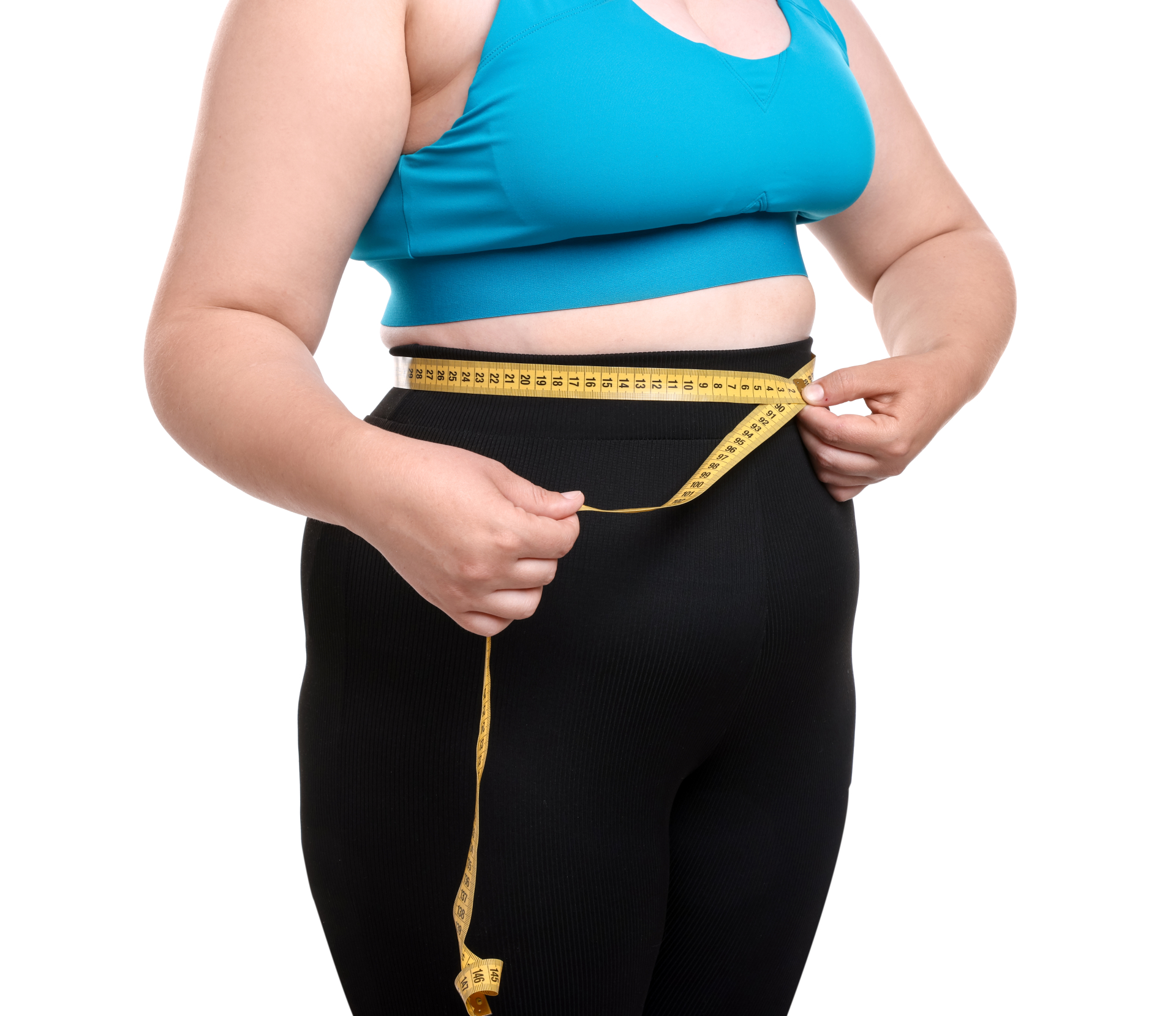
For many adults, maintaining a comfortable weight seems to become harder after 40. You may be eating much the same way you always have, staying reasonably active, and still noticing that weight is creeping up, especially around the abdomen. Energy may feel less predictable, sleep less restorative, and workouts that once worked may no longer produce the same results.
It is easy to blame these changes on a slower metabolism, but the reality is usually more complicated. Hormones, muscle mass, sleep, stress, insulin sensitivity, nutrition, physical activity, and medications can all influence body weight and body composition as we get older, and they do not operate independently. They interact with one another.
At Interactive Health Clinic in Lynnwood, we use Precision Medicine with Holistic Care to look at those connections. Drawing on functional medicine and naturopathic principles alongside conventional care, we do not assume every patient needs to eat less or exercise more. We ask what changed in the body, lifestyle, or environment that is making weight management more difficult, and we build a plan around the answer.
Weight Gain After 40 Is Usually Multifactorial
There is rarely one reason someone begins gaining weight after 40. Consider three people who all report the same ten pounds over two years. The first still goes to the gym three times a week but now spends most of the workday sitting and has quietly lost daily movement. The second eats the same foods she always has but sleeps only six disrupted hours a night since perimenopause began. The third has become less active because knee discomfort makes his old workouts unpleasant. These examples are illustrative rather than actual patients, but the pattern is common.
The best approach depends on which of these is actually driving the change. Telling all three to eat less and move more overlooks the biological and lifestyle factors behind their weight, which is why so many people feel they are doing everything right and still not seeing results.
Hormonal Changes Can Influence Body Composition
Hormones play an important role in metabolism, muscle maintenance, fat distribution, appetite, sleep, and energy. As levels shift with age, body composition often changes before the scale does. For women, perimenopause and menopause are particularly important transitions. Declining estrogen can influence where fat is stored, with more weight often accumulating around the abdomen, and fluctuating progesterone can affect sleep, mood, and appetite in ways that indirectly influence weight.
For men, age-related changes in testosterone may be associated with reduced muscle mass, lower energy, and changes in body composition. Thyroid function belongs in this conversation as well, since reduced thyroid activity can slow energy use and contribute to weight changes alongside fatigue and feeling cold.
Hormone therapy is not appropriate for everyone, and weight gain by itself does not prove that hormones are the cause. A responsible evaluation considers symptoms, medical history, laboratory findings when appropriate, lifestyle, and medications before determining whether hormone optimization, such as bioidentical hormone replacement therapy for women or testosterone replacement therapy for men, should even be discussed.
Metabolism Changes as Muscle Mass Changes
Many people assume metabolism simply slows down after 40 because of age alone. In reality, one of the most important changes is a gradual decline in muscle mass combined with less daily movement. Muscle is metabolically active tissue, so when adults lose it, daily energy needs drop. If food intake stays the same while activity and muscle decline, weight gain gradually follows.
This is one reason resistance training becomes increasingly important with age. Strength training preserves muscle, supports bone health, and improves metabolic health, and adequate protein provides the building blocks for muscle repair. At the same time, simply adding more exercise is not always the answer. Someone who is already stressed, undersleeping, and under-recovering may benefit more from improving recovery and nutrition than from continually increasing workout intensity.
Insulin Sensitivity Can Affect Weight and Energy
Insulin moves glucose from the bloodstream into cells where it can be used for energy. Genetics, body composition, sleep deprivation, inactivity, certain medications, and dietary patterns all influence how effectively the body responds to it. When insulin sensitivity decreases, maintaining stable blood sugar becomes harder, and some people notice energy crashes, stronger cravings, hunger soon after meals, or greater difficulty managing weight.
This does not mean everyone who gains weight after 40 has insulin resistance. However, metabolic health is an important part of the larger picture, particularly when weight gain is accompanied by changes in blood sugar, cholesterol, blood pressure, or waist circumference. Looking at metabolic markers alongside sleep, exercise, nutrition, and stress provides far more useful information than focusing on weight alone.
Sleep and Stress Can Quietly Undermine Weight Management
Sleep is often overlooked in conversations about weight, yet it has a powerful influence on appetite, energy, decision-making, and metabolic health. Consistently poor sleep changes hunger and satiety signals, makes highly palatable foods more appealing, reduces motivation to move, and impairs glucose regulation. Women experiencing hot flashes or night sweats may wake repeatedly, and both men and women can develop sleep problems related to stress, pain, alcohol, medications, or sleep apnea.
Chronic stress works through many of the same channels. When stress is persistent, people rely more on convenient foods, snack late at night, drink more alcohol, or skip activity because they are exhausted, and stress interferes with sleep in turn. Cortisol plays a normal role in regulating energy, and problems arise when chronic stress repeatedly disrupts recovery. Not every case of weight gain should be blamed on cortisol, but when stress is clearly affecting sleep, eating, or exercise, it belongs in the plan.
If someone is eating well and exercising but sleeping five disrupted hours under sustained pressure, addressing only diet and exercise misses a major piece of the problem.
Nutrition Needs and the Right Measure of Progress Change After 40
The eating pattern that worked in your 20s or 30s may not be the best fit later in life, because activity level, muscle mass, hormones, and appetite all change. Protein becomes particularly important for muscle maintenance, and fiber-rich foods help with fullness and blood sugar regulation. The goal is not to eliminate food groups or follow a restrictive diet unless there is a medical reason. At Interactive Health Clinic, nutritional counseling is individualized because two people with the same weight goal may have very different needs based on medical history, metabolic markers, digestive health, food preferences, and daily routine.
Just as important is measuring the right thing. The number on the scale tells only part of the story. Two people at the same weight can have very different amounts of muscle and fat. A person may lose several pounds but also lose muscle, which is not the outcome they intended, while someone who begins strength training may see little change on the scale while getting measurably stronger and leaner. A more complete approach tracks waist circumference, strength, energy, and metabolic health, not just total weight.
How Precision Medicine with Holistic Care Evaluates Weight Gain
When weight gain begins after years of relative stability, the most useful question is what else changed around the same time. Did sleep get worse? Did exercise decrease? Did perimenopause begin? Did stress increase? Was a new medication started? Did eating patterns shift because of work or family responsibilities? These questions reveal patterns that a single number never will.
At Interactive Health Clinic, a personalized evaluation may consider hormone health, thyroid function, metabolic markers, nutrition, sleep, stress, medications, activity level, body composition, and medical history. Targeted laboratory testing is appropriate when it answers a meaningful clinical question, but more testing is not automatically better. Depending on what the evaluation reveals, a plan may involve hormone optimization, nutritional counseling, targeted nutrient support or IV therapy, sleep and stress strategies, a resistance training approach suited to any joint limitations, or coordination with conventional medical care. The objective is not to find a single laboratory number to blame. It is to understand how several factors are working together and determine which changes are most likely to improve health over the long term.
Frequently Asked Questions About Weight Gain After 40
Is weight gain after 40 inevitable?
No. Aging can influence muscle mass, hormones, activity levels, and metabolic health, but weight gain is not unavoidable. Lifestyle habits, genetics, medical conditions, medications, sleep, stress, and nutrition all influence how body weight changes over time.
Can menopause cause weight gain around the abdomen?
Menopause can contribute to changes in body fat distribution, with more fat often accumulating around the abdomen. However, aging, activity level, muscle loss, sleep, nutrition, and metabolic health also play important roles, so menopause is rarely the only factor.
Does testosterone affect weight in men over 40?
Testosterone influences muscle mass, body composition, and energy. Low testosterone may be associated with changes in body composition, but weight gain alone does not indicate testosterone deficiency. Appropriate medical evaluation and laboratory testing are important when symptoms suggest a possible hormone issue.
Can poor sleep really make it harder to lose weight?
Yes. Poor sleep can affect appetite, food choices, energy, physical activity, and glucose regulation. Improving sleep does not guarantee weight loss, but it can be an important part of a comprehensive weight management plan.
Should I have my hormones tested if I am gaining weight after 40?
Hormone testing may be appropriate when weight changes occur alongside symptoms such as menstrual changes, hot flashes, low libido, reduced energy, or changes in muscle mass. Your healthcare provider can determine which tests, if any, are appropriate based on your symptoms and medical history.
A More Personalized Approach to Weight After 40
Weight gain after 40 is rarely explained by one factor. Hormonal changes, muscle loss, metabolic health, sleep, stress, nutrition, medications, and lifestyle all influence how the body stores and uses energy. Understanding those connections shifts the conversation away from blame. Instead of assuming you lack discipline or need a more restrictive diet, it is more helpful to identify what has changed.
At Interactive Health Clinic in Lynnwood, we use Precision Medicine with Holistic Care to evaluate weight concerns within the context of the whole person for patients throughout Lynnwood, Edmonds, Everett, and the greater Snohomish County and Seattle area. That may include assessing hormone health, thyroid function, metabolic factors, nutrition, sleep, stress, and activity, with preventive care built in so the plan supports long-term wellness rather than a short-term number.
If maintaining a healthy weight has become more difficult after 40, schedule a consultation with Interactive Health Clinic. A personalized evaluation can help you understand what is contributing to those changes and build a realistic plan for healthy body composition, energy, and metabolic health.
Call us at (425) 361-7945 or visit www.InteractiveHealthClinic.com to learn more.