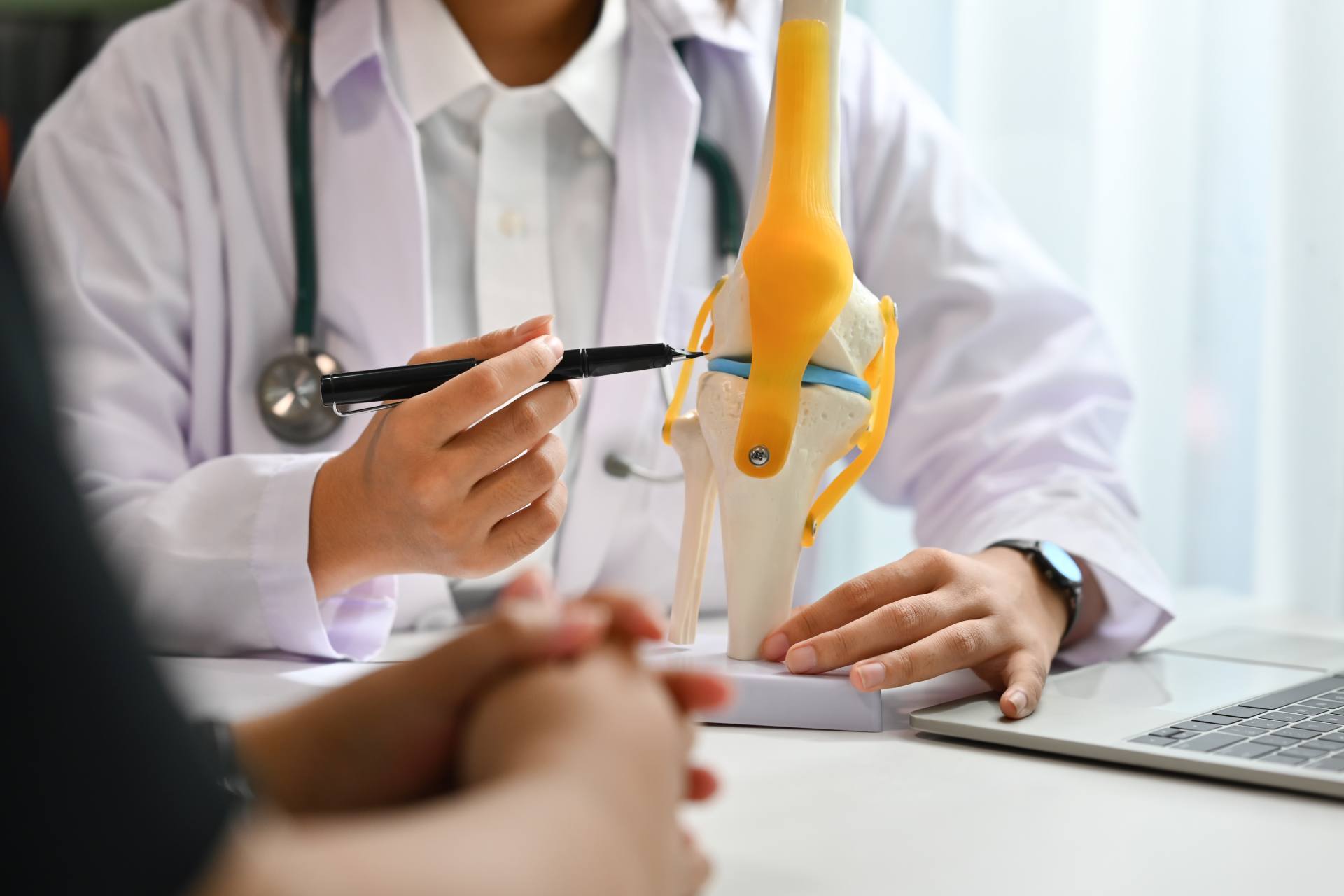
Joint pain has a way of slowly changing daily life. What may begin as mild stiffness getting out of bed, soreness after a walk around Lynnwood, or discomfort climbing stairs can gradually turn into something much more limiting. Over time, even simple activities like exercising, traveling, working comfortably, or spending time with family can become frustrating when pain constantly gets in the way.
For many people, the first thought is that surgery is inevitable. However, that is not always the case. Advances in regenerative medicine and functional medicine have created more non-surgical options than ever before for patients dealing with chronic joint pain, inflammation, and mobility issues. At Interactive Health Clinic, many patients come to us because they want to understand the root cause of their pain and explore natural, minimally invasive treatment options before committing to surgery or relying heavily on medications.
Our goal is not simply to mask symptoms temporarily. We focus on helping patients improve joint function, reduce inflammation, support tissue healing, and regain the ability to move more comfortably through a personalized, whole-body approach to care.
Understanding Why Joint Pain Develops
Joint pain can develop for many different reasons, and it is rarely as simple as “getting older.” While age-related wear and tear can certainly contribute, chronic joint discomfort is often influenced by a combination of inflammation, previous injuries, repetitive movement patterns, poor biomechanics, stress on connective tissue, metabolic health, and overall lifestyle habits.
At Interactive Health Clinic, we commonly see patients dealing with knee pain, shoulder pain, hip discomfort, lower back pain, elbow pain, ankle instability, and wrist irritation. Some patients are struggling with osteoarthritis and degeneration, while others are dealing with tendon injuries, chronic inflammation, sports injuries, or lingering instability from old trauma that never fully healed.
One of the biggest differences with a functional medicine approach is that we do not view the painful joint in isolation. We look at what may be contributing to inflammation throughout the body. Poor nutrition, chronic stress, hormone imbalances, poor sleep, and metabolic dysfunction can all affect how the body heals and how joints function over time.
This is one reason many people searching for a holistic doctor in Lynnwood are looking for something more comprehensive than temporary symptom relief. They want to understand why the pain developed in the first place and what can be done to support long-term healing.
Why More Patients Are Exploring Non-Surgical Treatment Options
Not every case of joint pain requires surgery. In fact, many patients are good candidates for conservative treatment before pursuing invasive procedures. This is especially true when pain is persistent but manageable, mobility is limited but not severely impaired, or imaging shows mild to moderate degeneration rather than complete structural damage.
Many patients also want to avoid the lengthy recovery times, downtime, and physical demands that surgery often requires. Others may have already tried rest, medications, or physical therapy without fully resolving the issue and are now looking for a different approach.
At Interactive Health Clinic, we often remind patients that earlier intervention creates more opportunities for improvement. Addressing inflammation, instability, and tissue stress before degeneration becomes severe may help preserve mobility, improve function, and potentially delay or avoid surgery altogether.
Regenerative Medicine for Joint Pain
One of the most exciting advancements in modern pain management is regenerative medicine. These therapies are designed to support the body’s natural healing response rather than simply covering up pain temporarily.
Platelet-Rich Plasma therapy, commonly known as PRP therapy, has become increasingly popular for patients dealing with chronic joint pain, tendon injuries, arthritis-related inflammation, and repetitive strain conditions. PRP uses a concentration of the patient’s own platelets, which contain growth factors involved in tissue repair and healing. After a blood draw, the platelets are processed and injected into the affected area to help stimulate the body’s natural recovery process.
Patients commonly seek PRP therapy for knee pain, rotator cuff irritation, tennis elbow, hip discomfort, tendonitis, and early arthritic changes. Because PRP uses the body’s own biological material, many patients appreciate that the treatment is minimally invasive and does not involve surgery or extensive downtime.
Prolotherapy is another regenerative treatment offered for patients dealing with weakened ligaments, instability, or chronic connective tissue irritation. This treatment involves targeted injections designed to stimulate healing in areas where supporting tissue may have become weakened over time. For some patients, prolotherapy may help improve stability, reduce recurring pain, and support long-term joint function.
Precision Medicine and Holistic Care for Inflammation Reduction
At Interactive Health Clinic, we understand that chronic inflammation is often one of the biggest drivers behind ongoing joint pain, stiffness, and slow recovery. This is where a precision medicine approach combined with holistic care becomes especially valuable. Rather than looking only at the painful joint itself, we evaluate the bigger picture to better understand what may be contributing to inflammation throughout the body.
For many patients, factors such as poor nutrition, blood sugar imbalance, chronic stress, nutrient deficiencies, hormone changes, poor sleep, and lifestyle habits may all influence how the body heals and responds to pain. When these issues are left unaddressed, inflammation can persist and place ongoing stress on joints, muscles, and connective tissue.
Nutrition is often one of the first areas we evaluate because inflammatory foods can significantly affect pain levels and recovery capacity. Diets high in processed foods, refined carbohydrates, excess sugar, and certain food sensitivities may contribute to chronic inflammation in many individuals. Personalized nutritional guidance can help support tissue repair, improve energy levels, encourage healthy weight management, and naturally reduce inflammation throughout the body.
Hormone optimization may also play an important role in supporting joint health and recovery. Hormonal imbalances can affect muscle mass, tissue integrity, inflammation regulation, and the body’s ability to heal efficiently. Patients experiencing joint discomfort alongside fatigue, poor sleep, low energy, or slower recovery often benefit from a more comprehensive evaluation to identify underlying imbalances that may be contributing to symptoms.
IV nutrient therapy may also be incorporated as part of a personalized care plan to support hydration, cellular repair, immune health, and recovery. Certain vitamins, minerals, amino acids, and antioxidants can help reduce oxidative stress while supporting the body’s natural healing processes.
By combining precision medicine with holistic care, Interactive Health Clinic takes a more complete and individualized approach to joint pain treatment, helping patients address not only where the pain is occurring, but also why the body may be struggling to heal in the first place.
Movement and Rehabilitation Matter
Movement is one of the most important components of long-term joint health, but the right type of movement matters. Many patients dealing with chronic pain unknowingly compensate with poor posture or altered movement patterns that place even more stress on surrounding joints and muscles.
At Interactive Health Clinic, rehabilitation strategies are designed to improve biomechanics, restore healthier movement patterns, and strengthen the muscles that support joint stability. Depending on the individual, treatment plans may include corrective exercises, stretching, mobility work, strengthening programs, and functional movement assessments.
The goal is not simply reducing pain temporarily, it is helping patients move better, feel stronger, and prevent future injury.
Avoiding the “Wait Until It Gets Worse” Mentality
One of the biggest mistakes many people make is waiting too long before addressing chronic joint pain. Patients often assume discomfort is simply part of aging and continue pushing through symptoms until mobility becomes severely limited.
The reality is that early treatment often creates more opportunities for improvement. Addressing inflammation, instability, and tissue stress early may help slow degeneration, improve joint support, and maintain activity levels longer.
At Interactive Health Clinic, we encourage patients to listen to what their bodies are telling them instead of waiting until pain becomes debilitating. The sooner underlying issues are identified, the more treatment options may be available.
A Personalized Approach to Joint Pain Relief
There is no single solution that works for every patient. Some individuals respond best to regenerative therapies like PRP or prolotherapy, while others benefit from a broader combination of nutritional support, rehabilitation, hormone balancing, inflammation reduction, and functional medicine strategies.
That is why individualized care is so important.
At Interactive Health Clinic, treatment plans are designed around your symptoms, lifestyle, activity level, medical history, and long-term goals. Whether your goal is returning to exercise, continuing outdoor activities around Lynnwood, staying active with family, or simply getting through the day with less pain, non-surgical treatment options may provide an effective path forward.
Frequently Asked Questions About Non-Surgical Joint Pain Treatment
Can joint pain improve without surgery?
Yes, many cases of joint pain can improve with non-surgical treatment, especially when addressed early. Regenerative medicine, rehabilitation, inflammation reduction, and functional medicine approaches may help improve mobility and reduce discomfort without invasive procedures.
What conditions respond well to PRP therapy?
PRP therapy is commonly used for knee pain, tendonitis, rotator cuff irritation, tennis elbow, hip pain, arthritis-related inflammation, and repetitive stress injuries. Results vary depending on the severity of the condition and overall joint health.
How does functional medicine help with joint pain?
Functional medicine looks beyond the painful joint itself and evaluates factors such as inflammation, nutrition, stress, hormone balance, sleep quality, and metabolic health. Addressing these contributors may help improve healing and reduce chronic pain.
When should I consider non-surgical treatment before surgery?
Many patients consider non-surgical treatment when pain is ongoing but manageable, mobility is still relatively preserved, or imaging shows mild to moderate degeneration instead of severe structural damage.
How long does it take to see results from regenerative therapy?
Recovery timelines vary depending on the condition being treated, the severity of tissue damage, and the patient’s overall health. Some individuals notice improvement within weeks, while others experience gradual progress over several months as healing develops.
Explore Non-Surgical Joint Pain Treatment in Lynnwood
Living with chronic joint pain can be physically exhausting and emotionally frustrating, especially when it starts limiting the activities that once felt simple and enjoyable. Whether you are struggling with knee pain, shoulder discomfort, hip stiffness, chronic inflammation, or lingering injuries that never fully healed, you do not have to assume surgery is your only option.
At Interactive Health Clinic, we take a comprehensive and personalized approach to joint pain treatment. Instead of focusing only on temporary symptom relief, we work to identify the underlying factors contributing to your discomfort, including inflammation, instability, movement dysfunction, nutritional deficiencies, hormone imbalance, and overall recovery capacity. Our goal is to help you improve mobility, support natural healing, reduce pain, and restore function so you can continue living an active and healthy life.
Through regenerative medicine therapies, functional medicine strategies, rehabilitation support, and individualized treatment plans, many patients are able to experience meaningful improvements without invasive procedures or lengthy recovery periods. Every treatment plan is tailored to your body, your lifestyle, and your long-term goals.
You deserve more than simply “managing” pain. You deserve a plan focused on helping you move better, recover more effectively, and regain confidence in your body again.
If you are ready to explore non-surgical options for joint pain in Lynnwood, schedule a consultation with Interactive Health Clinic today. Our team will help you better understand the root cause of your symptoms and determine which therapies may be most appropriate for your condition, activity level, and goals. Your path toward better movement, improved mobility, and long-term joint health can start today.
Call us at (425) 361-7945 or visit www.InteractiveHealthClinic.com to learn more.